
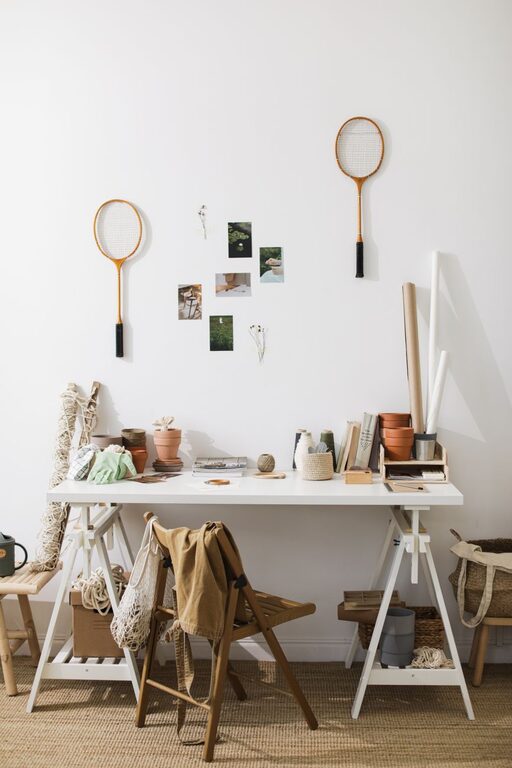
How to Create a Relaxing Home Workspace for Better Focus
zuqeqeu.pro >> Homeoffice>>Workspace>> How to Create a Relaxing Home Workspace for Better Focus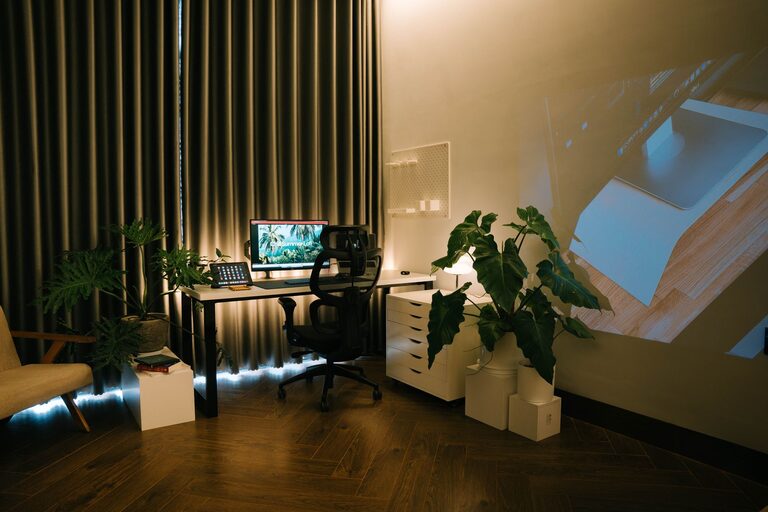
How to Create a Relaxing Home Workspace for Better Focus
Creating a relaxing home workspace is essential for maintaining productivity and well-being, especially as many people spend more time working from home. A calming environment can help reduce stress, increase focus, and make your workday more enjoyable. This guide will walk you through practical steps to design a home workspace that feels comfortable, organized, and inspiring.
Why a Relaxing Workspace Matters
The environment you work in significantly impacts your mood and efficiency. A cluttered, noisy, or uncomfortable space can lead to distractions, fatigue, and even burnout. Conversely, a thoughtfully arranged workspace can help you stay motivated, focused, and calm throughout your day.
Step 1: Choose the Right Location
Selecting the best spot in your home for your workspace sets the foundation for relaxation and productivity.
Consider Natural Light
Place your desk near a window if possible. Natural light enhances mood and reduces eye strain. Avoid direct sunlight that causes glare on your screen.
Minimize Distractions
Pick a quiet corner or a room where you won’t be interrupted by family members, pets, or household noise. Use room dividers or noise-canceling headphones if needed.
Optimize Space
Choose a location that fits your work needs without feeling cramped. You want enough room for your computer, paperwork, and any tools you regularly use.
Step 2: Invest in Comfortable Furniture
Comfort is key to staying relaxed and focused throughout your workday.
Ergonomic Chair
A supportive chair that promotes good posture helps prevent back and neck pain. Look for adjustable height and lumbar support.
Functional Desk
Select a desk that fits your space but offers enough surface area. Standing desks or convertible options can encourage movement and reduce stiffness.
Add Footrests and Accessories
Footrests, wrist supports, and monitor stands can improve your comfort by aligning your body and screen properly.
Step 3: Organize and Declutter
A tidy workspace reduces stress and makes it easier to find what you need.
Use Storage Solutions
Incorporate shelves, drawers, or organizers to keep supplies neat and accessible.
Limit Items on Your Desk
Keep only essentials visible to avoid overwhelming your senses. Use cable organizers to manage wires and cords.
Digital Declutter
Organize your computer files and maintain a clean desktop to minimize distractions.
Step 4: Incorporate Calming Elements
Adding soothing touches creates a peaceful atmosphere that promotes relaxation.
Choose Calming Colors
Soft tones like blues, greens, or neutrals can reduce anxiety and improve focus.
Add Plants
Indoor plants not only brighten the space but also improve air quality and provide a sense of calm.
Use Aromatherapy
Subtle scents such as lavender or eucalyptus in a diffuser can help maintain a relaxed mood.
Personalize Thoughtfully
Display a few meaningful photos, artwork, or inspirational quotes without overcrowding the space.
Step 5: Control Lighting and Sound
Proper lighting and noise control support comfort and concentration.
Adjustable Lighting
Use a combination of natural light, overhead lights, and desk lamps with adjustable brightness to suit different tasks and times of day.
Noise Management
If outside noise is distracting, consider using white noise machines, fans, or noise-canceling headphones.
Step 6: Establish Routine and Boundaries
A relaxing workspace is also about how you use it.
Set Work Hours
Define clear start and end times to maintain a healthy work-life balance.
Take Breaks
Incorporate regular breaks to stand, stretch, or take a short walk to refresh your mind and body.
Keep Work and Leisure Separate
Avoid using your workspace for non-work activities to help your brain associate the area with focus and relaxation.
Final Thoughts
Designing a relaxing home workspace takes some planning but pays off in improved well-being and productivity. By choosing the right location, investing in comfort, staying organized, and adding calming touches, you can create an environment that supports your best work. Remember, your workspace should reflect your personal preferences and needs, so feel free to experiment and adjust until it feels just right for you.
Related Post