
How to Choose a Notebook You’ll Actually Use Every Day
zuqeqeu.pro >> Notebooks>>Organization>> How to Choose a Notebook You’ll Actually Use Every Day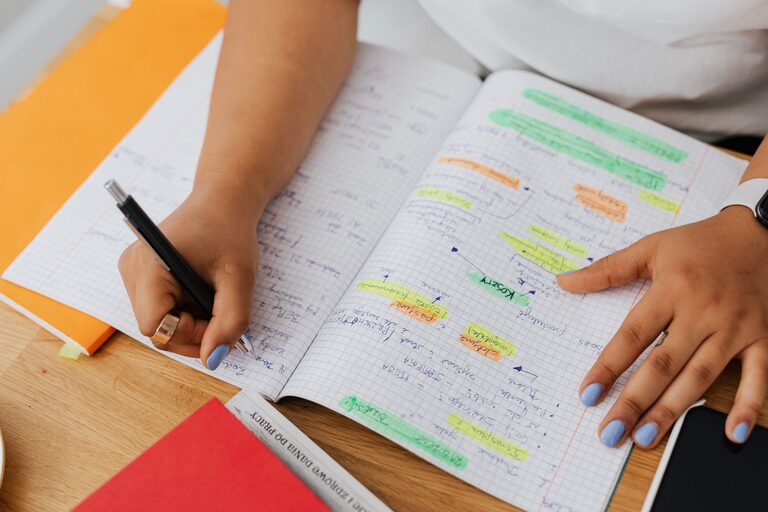
How to Choose a Notebook You’ll Actually Use Every Day
Choosing the right notebook can make a big difference in how often you use it—and how much you enjoy writing or organizing your thoughts. Whether you want a place for daily journaling, work notes, creative ideas, or to-do lists, the perfect notebook is out there. This guide will help you find a notebook that suits your personal style, needs, and habits, so you’ll be motivated to pick it up again and again.
Why Choosing the Right Notebook Matters
A notebook isn’t just a blank book; it’s a tool for creativity, productivity, or relaxation. When you select one thoughtfully, you’re more likely to stick with your writing or planning. Using a notebook regularly can help you:
– Organize your thoughts clearly
– Track progress on goals
– Boost creativity with sketches and notes
– Reduce stress through journaling
– Keep memories or ideas in one place
If the notebook feels awkward, boring, or doesn’t meet your needs, you might end up letting it gather dust. To avoid that, let’s explore the key factors to consider.
Key Factors to Consider When Choosing a Notebook
1. Determine Your Primary Use
First, think about how you plan to use the notebook:
– Note-taking for work or school: You might want a notebook that’s easy to write in quickly and keep organized.
– Journaling or personal writing: A notebook with a pleasant feel, good paper quality, and a size that fits your lifestyle is ideal.
– Creative work (sketching, doodling): Look for thick paper that can handle various pens or light watercolor.
– Planning and to-do lists: Consider notebooks with pre-printed layouts like grids, dots, or planners.
Understanding your main purpose helps narrow down your options.
2. Choose the Right Size
Notebooks come in many sizes, each suited for different purposes:
– Pocket-sized (A6 or smaller): Great for quick notes, on-the-go ideas, and portability, but can feel cramped for longer writing.
– Medium size (A5): A popular choice for balance between portability and space to write—fits well in bags and on desks.
– Large size (A4 or letter): Provides ample room for detailed notes, sketches, or multi-task pages but is less portable.
Think about where you’ll use your notebook most. Will it travel with you or stay at home or work?
3. Consider Paper Quality
Paper quality affects your writing experience, especially if you use fountain pens, markers, or want sketching-friendly pages. Key points:
– Weight (measured in gsm): Heavier paper (80 gsm and up) handles ink better and prevents bleed-through.
– Texture: Smooth paper is usually better for writing, while rougher paper can be nice for sketching.
– Color: Bright white or cream paper? Cream reduces glare and is easy on the eyes.
If you’re unsure, check reviews or try writing on sample pages if possible.
4. Pick Your Preferred Page Layout
The page layout influences how flexible and enjoyable the notebook will be for your needs:
– Lined: Ideal for writing, lists, and structured notes.
– Dotted: A versatile option for writing, bullet journaling, and light sketching.
– Grid: Perfect for diagrams, technical notes, and precise planning.
– Blank: Great for artists, doodlers, or freeform thinkers.
Think about your main activities inside the notebook and choose a layout that encourages your creativity or productivity.
5. Binding and Durability
How a notebook is bound affects durability and ease of use:
– Spiral-bound: Allows pages to lie flat and fold back, but may be less durable long term.
– Thread-stitched or sewn: Durable and often lie flat; gives a premium feel.
– Perfect-bound (glued): Looks sleek but might not open flat.
– Hardcover vs. softcover: Hardcovers protect your pages and feel sturdy, while softcovers are lighter and more flexible.
If you carry your notebook everywhere, durability is important.
6. Additional Features to Look For
Some extra details can enhance the usability of your notebook:
– Page numbers: Helpful for organizing and referencing notes.
– Index or table of contents: Lets you quickly find important sections.
– Pocket folder: A place for loose papers or receipts.
– Elastic closure: Keeps your notebook secure.
– Ribbon bookmark: Marks your current page for easy access.
Consider which features will benefit your workflow and make your notebook more enjoyable.
Tips to Make Sure You Use Your Notebook
Even with the perfect notebook, developing a habit to use it regularly is key:
– Set a regular time: Dedicate a few minutes daily or weekly to writing or planning.
– Keep it visible: Store it where you’ll see it often, like your desk or bedside table.
– Personalize it: Add stickers, doodles, or notes to make it feel inviting.
– Start small: Use it for quick notes or one sentence a day to build the habit gradually.
– Combine digital and analog: Use your notebook alongside apps if that helps keep you organized.
Summary: Finding Your Perfect Notebook
Choosing a notebook you’ll actually use comes down to matching it with your purpose, preferences, and lifestyle. Pay attention to size, paper quality, layout, binding, and extra features. Remember, the best notebook is one that feels right to you and encourages you to write, draw, or plan regularly.
Take your time to explore options, and don’t be afraid to try a few before settling on your favorite. With the right notebook, you’ll enjoy capturing ideas, staying organized, and expressing yourself every day.